your basket
 buy 2 remedies and get 15% off
- choosing a selection results in a full page refresh
subtotal: £0.00
Delivery calculated at checkout

 buy 2 remedies and get 15% off

A lack of confidence can show up in different ways.
Some people doubt their ability before they even begin. Others do know what they feel or think, but struggle to trust it - constantly seeking reassurance or external confirmation. Both experiences can look similar from the outside, yet internally they are very different.
Two Bach flower remedies that are often confused are Larch and Cerato. Both relate to confidence, but they support very distinct emotional states. Understanding the difference can bring clarity when self-doubt feels persistent.
Larch is associated with a lack of confidence in one’s own ability.
People who resonate with Larch often feel:
- “I’m not good enough”
- “Others are more capable than me”
- “I’ll probably fail, so what’s the point?”
- Reluctant to try for fear of getting it wrong
With Larch, the doubt comes before action. There’s often a belief that success is for other people, not for them. Even when skills or experience are present, confidence doesn’t follow.
In my experience, Larch often shows up when someone:
- Avoids opportunities because they expect failure
- Downplays their strengths
- Feels inferior despite evidence to the contrary
- Holds themselves back as a form of self-protection
The issue here is a quiet conviction that “I can’t.”
Cerato relates to difficulty trusting your own judgement.
People who need Cerato often do have an inner sense of what feels right, but they struggle to hold onto it. They may:
- Ask for repeated advice or reassurance
- Change their mind after speaking to others
- Feel easily influenced by external opinions
- Doubt decisions they’ve already made
With Cerato, there’s uncertainty not about ability, but about inner authority.
In practice, Cerato often sounds like:
“I knew what I wanted… but then I spoke to someone and now I’m not sure.”
The core issue isn’t lack of knowledge - it’s lack of trust in one’s own inner voice.
Larch and Cerato can look similar, but the emotional direction is different.
A question I often come back to is:
Do you stop yourself because you believe you’ll fail - or because you don’t trust your own judgement?
With Larch, confidence is low from the outset.
With Cerato, confidence leaks away through doubt and not trusting your inner compass.
That distinction usually brings clarity.
Yes - and sometimes they are a very supportive combination.
This can be helpful when someone lacks confidence and second-guesses themselves
As always, the aim isn’t to cover everything, but to reflect what feels most present now.
Confidence and self-trust are often influenced by other emotional states. Gentian may be considered when confidence dips after setbacks or disappointment. Elm can be relevant when someone feels temporarily overwhelmed by responsibility despite usually coping well. Walnut may support those who feel easily influenced during times of change. Centaury can be explored when difficulty asserting boundaries undermines confidence. Crab Apple may be relevant when self-doubt is tied to harsh self-criticism, feelings of imperfection, or an excessive focus on perceived flaws. Pine can be relevant when lack of confidence is coloured by guilt, self-blame, or a tendency to take responsibility for things that aren’t truly yours to carry.
These remedies can be chosen instead of, or alongside, Larch or Cerato - and a carefully selected blend often reflects the reality more accurately than a single remedy.
In personalised Bach flower remedies, you can include up to seven remedies in a bottle, chosen carefully to reflect what’s most present right now. More isn’t always better - clarity, fit, and restraint matter just as much as inclusion.
There’s no rush to become more confident or decisive. Sometimes the most supportive thing is choosing the remedy that gently strengthens your trust in yourself, at your own pace.
create a personalised Bach flower remedy
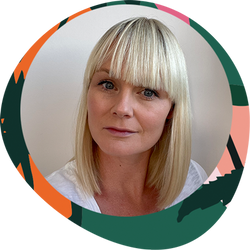
Since 2021, Lucy Edwards, a qualified Bach Flower Practitioner and the driving force behind Mindful Remedies, has connected with clients across the world. Crafting thousands of personalised remedies, Lucy has supported individuals' emotional wellbeing, shipping remedies to far-flung places like the USA, Thailand, and Australia.
Lucy is readily available for conversations, offering personalised advice to guide you on the path to holistic wellness. It's important to note that she's not only qualified but also registered with the Bach Centre, ensuring that every consultation and remedy adheres to Dr Bach’s original guidelines for expert care and efficacy.
Exclusive pricing 20% off your first subscription order and 5% off all future orders
VIP treatment Receive personalised advice from Lucy, free gifts & 15% off gift vouchers
Easy to manage Edit remedy, change schedule, pause or cancel at any time
Exclusive online workshops Access to workshops focusing on emotional wellbeing, guided by Lucy
Early access to new products Be the first to try out new remedies or wellness products, before anyone else

 buy 2 remedies and get 15% off


